How to Start a Successful Food Vending Business Today?

Starting a food vending business can be an exciting venture. The food vending industry offers a unique opportunity to serve people on the go. It allows you to showcase your culinary skills while gaining financial freedom. However, success doesn’t come without challenges.

There are several factors to consider when launching your food vending business. Finding the right location is crucial. High foot traffic areas ensure more visibility. Additionally, understanding food safety regulations is essential. Compliance builds trust with your customers. Investing time in research can save you from costly mistakes.

Your product quality will define your reputation. Offering unique and fresh menu items can set you apart. Engage with customers to gather feedback and improve. Reflecting on your experiences will help refine your strategy. The world of food vending is dynamic and competitive, but with dedication and insight, success is within reach.
How to Start a Successful Food Vending Business Today?

Identifying Your Niche in the Food Vending Market

Identifying your niche in the food vending market is crucial for success. The food vending industry has grown significantly, with a projected value of $1.2 billion by 2025, according to industry reports. This growth presents opportunities but also challenges. As a vendor, you need to distinguish yourself in a crowded market.

Start by examining local preferences. Understand dietary trends, such as plant-based eating, which is increasingly popular. Reports indicate that about 27% of consumers are actively reducing meat in their diets. This insight can guide you in developing a menu that resonates with your audience. For example, offering unique vegan snacks or healthy smoothies could attract a dedicated customer base.

Consider the location for your vending business as well. High foot traffic areas like parks, universities, or business districts can enhance visibility. However, competition is often intense in these spots. It’s essential to analyze and choose wisely. Refine your product offerings through feedback from early customers. Embrace criticism to improve. Remember, even a slight edge in quality or service can make a difference in retaining customers.

Researching Local Regulations and Permits for Vending Operations

Starting a food vending business is an exciting venture, but it requires careful planning, especially regarding local regulations and permits. Each city or state has its own requirements, which can be complex and vary widely. According to the U.S. Small Business Administration, nearly 40% of food vending businesses face regulatory hurdles related to permits. Identifying these local regulations is crucial for compliance and smooth operation.

When navigating these regulations, thorough research is essential. Reach out to local health departments, zoning boards, and business licensing offices. Many regions require food vendors to obtain specific permits that ensure public safety and hygiene. Understanding these requirements can help avoid costly fines and operational delays. Data shows that businesses familiar with their local laws reduce the risk of closure by up to 30%.

One tip is to keep a checklist of necessary permits and licenses. This should include food handler's permits, business licenses, and health inspections. Additionally, continuously review any changes in laws. Keeping updated can save time and money. Per a survey, 70% of food vendors experience some form of regulatory change within their first three years. Emphasizing compliance can set your vending business up for success.

Developing a Comprehensive Business Plan for Your Vending Venture

Creating a robust business plan is crucial for a successful food vending venture. Start by defining your target market. Understand their preferences and habits. Conduct surveys or interviews to gather insight. This information helps tailor your menu to what potential customers want. It also aids in selecting the best locations for your vending machines.

Next, outline your budget realistically. Consider all expenses, from initial machine costs to maintenance fees. Don’t overlook permits and licenses. Each location may have different requirements. Initial capital can seem daunting, but planning ensures you allocate funds wisely. Monitor your spending regularly to avoid overspending or running into unexpected costs.

Finally, focus on your marketing strategy. Identify how you will promote your vending service. Social media can be instrumental. A strong online presence can create buzz and attract customers. Reflect on potential challenges, like competition or changing consumer preferences. Adapt your plan as needed. Flexibility can lead to success in a fluctuating market.

Selecting the Right Location and Target Audience for Your Business

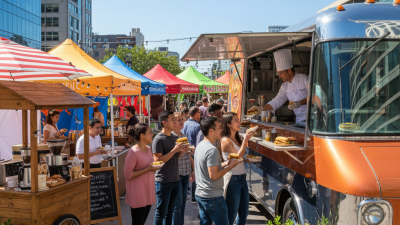
Choosing the right location and target audience is crucial for a successful food vending business. According to industry reports, over 60% of food truck revenues come from foot traffic. High-traffic areas, such as parks and busy streets, can significantly enhance your visibility. Research local events or festivals. These can offer valuable opportunities for exposure and consistent sales.

Understanding your target audience is equally important. Data shows that millennials spend about $215 billion annually on food. Tailoring your offerings to their preferences can boost your success. Consider what types of cuisines are trending in your area. Engaging with your community on social media can help identify popular tastes and preferences.

Choose locations carefully. Analyze foot traffic around different areas at various times. Keep track of sales data to determine peak hours. Engaging with potential customers can foster loyalty. Encourage feedback to refine your offerings. Understanding customer needs can lead to better product-market fit. Balancing high visibility with genuine engagement is a thoughtful approach to growing your business.

Investing in Essential Equipment and Supplies for Food Vending

Starting a food vending business involves critical decisions about equipment and supplies. Research from the National Association of Food Vendors indicates that 80% of successful vendors invest heavily in quality equipment. Basic items include a reliable vending cart or truck, cooking appliances, and sanitation supplies. These investments directly impact food quality and customer satisfaction.

Next, consider purchasing high-quality containers and packaging materials. According to industry surveys, vendors who prioritize attractive packaging see a 30% increase in sales. Customers seek convenience alongside taste. Using eco-friendly materials can enhance your brand image and attract more clientele.

However, quality does not always imply high cost. New vendors often underestimate their startup costs. It is crucial to research and budget properly. Initial setbacks can occur, like equipment malfunctions or supply shortages. These challenges require flexibility and quick adaptation. Learning from these experiences is vital for long-term success in a competitive market.

Food Vending Business Equipment Investment Breakdown