
How to Choose the Right Digital Kiosk Printer for Your Needs?

Choosing the right Digital kiosk printer is crucial for businesses today. The global digital kiosk market is projected to reach $30 billion by 2025 (Source: MarketsandMarkets). With this growth, making an informed decision becomes essential. A suitable digital kiosk printer can improve customer satisfaction and reduce operational inefficiencies.

When selecting a digital kiosk printer, consider the specific needs of your business. Factors such as print speed, image quality, and durability should align with your operational requirements. For instance, a high-volume printing kiosk should have robust features to handle increased demand. According to a recent report from InfoTrends, nearly 70% of businesses prioritizing print quality report higher customer engagement.

However, challenges exist. Not all digital kiosk printers are created equal. Some may lack the necessary support services or fail to integrate with existing systems. Businesses must reflect on their unique challenges to ensure their choice aligns with their long-term goals. Balancing the best features with practical needs will lead to a more effective investment in a digital kiosk printer.
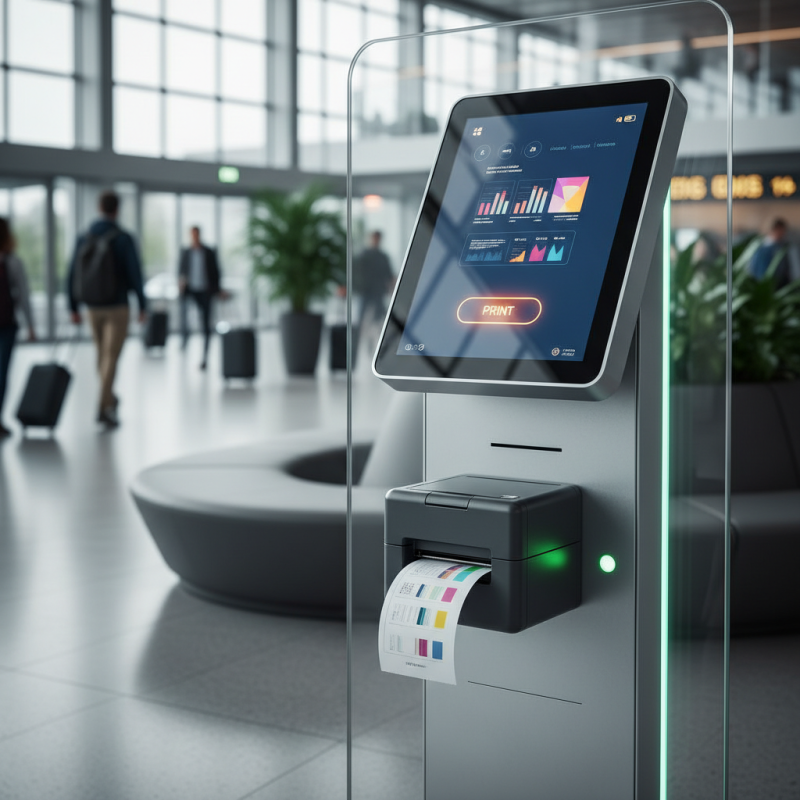
How to Choose the Right Digital Kiosk Printer for Your Needs?

Understanding the Types of Digital Kiosk Printers Available in the Market

When choosing a digital kiosk printer, understanding the types available is crucial. These printers vary widely in functionality. Some are designed for high-speed output, while others excel in producing high-quality prints. Each type serves different needs. For instance, thermal printers are popular for their speed and low maintenance. Inkjet printers, on the other hand, offer vibrant colors and detailed images.

Tips: Think about your target audience. Are they looking for quick tickets or high-quality photos? This affects your choice of printer. Also, consider the size and space available in your kiosk. Larger printers can take up more room but may offer better output.

Another aspect to reflect on is the printer's connectivity options. Some models support mobile printing, while others may rely on direct connections. This could impact the ease of use for customers. Evaluate whether customers in your location value convenience over quality. It’s a small detail but can make a big difference in their experience.

Key Specifications: Speed, Quality, and Durability in Kiosk Printing

When selecting a digital kiosk printer, key specifications like speed, quality, and durability matter greatly. Printing speed can significantly impact customer experience. A printer that takes too long can frustrate users. Ideally, look for a printer that delivers a page in under 10 seconds. Fast printing can keep lines moving, but consider how this speed affects print quality.

Quality is another vital specification. A high-resolution printer can make all the difference, turning plain documents into eye-catching materials. Look for printers offering at least 300 DPI for crisp images and clear text. Yet, balancing speed and quality is tricky. A printer may be fast but could sacrifice clarity. Weighing these aspects is essential to find a good match for your needs.

Durability should not be overlooked. Kiosk printers often face high usage in public spaces. A robust printer can withstand the wear and tear of daily transactions. Choose a model with a sturdy design and good reviews on reliability. However, remember that even durable printers require maintenance. Regular checks can prevent unexpected breakdowns. Reflecting on these factors will help in making a more informed choice.

Evaluating Cost-Effectiveness: Initial Investment vs. Long-Term ROI

When choosing a digital kiosk printer, evaluating cost-effectiveness is crucial. The initial investment may seem daunting, but understanding long-term ROI is essential. A more expensive printer might offer better durability and efficiency. This often translates to lower maintenance costs and less downtime.

Tip: Examine the total cost of ownership. Include maintenance, consumables, and potential replacement costs. Sometimes, a lower upfront cost leads to higher expenses down the line.

Some businesses overlook the importance of printing speed and output quality. These factors impact customer satisfaction. A slow printer can frustrate users, leading to lost opportunities. However, faster printers may carry a higher price tag, so consider your printing volume.

Tip: Assess your printing needs carefully. Estimate your daily output and choose accordingly. Make sure the printer you select meets your demands without overwhelming your budget.

Assessing Software Compatibility and Integration with Existing Systems

When selecting a digital kiosk printer, software compatibility is critical. Many organizations rely on existing systems for smooth operations. Research indicates that 40% of companies face integration issues when adopting new technologies. Ensuring the kiosk printer seamlessly connects with current software can save time and money.

Consider how the kiosk printer will fit into your software ecosystem. Not all printers communicate effectively with every system. A misalignment can lead to operational delays. According to a recent industry report, 50% of businesses do not assess software compatibility before making a purchase. This oversight often results in underutilization of the printer's features.

Integration with existing systems can enhance user experience. Data shows that streamlined systems improve customer satisfaction by 30%. However, some businesses fail to recognize this importance. It's essential to examine API capabilities and data sharing options. If a printer lacks these features, it may not fulfill all your requirements.

Analyzing Customer Reviews and Industry Case Studies for Insightful Selection

Choosing the right digital kiosk printer can be challenging. Customer reviews are a valuable resource for this decision. Many users express their satisfaction with print quality, speed, and overall performance. Yet, some reviews point out frequent paper jams or connectivity issues. This highlights the importance of thorough research before making a choice.

Industry case studies can provide deeper insights. For example, a retail store may choose a high-speed printer to handle peak hours. However, they might face challenges with ink smudging, impacting customer experience. Another case might focus on a healthcare facility. They require reliability and quick printing for patient documentation. Despite their thorough analysis, they also encounter occasional technical glitches, reminding us that no printer is perfect.

Evaluating both customer feedback and real-world applications is crucial. This dual approach creates a balanced view of any digital kiosk printer. Yet, it’s essential to remember that expectations may not always align with reality. Understanding these nuances can ultimately guide you to a better decision.

Analysis of Customer Satisfaction with Digital Kiosk Printers